
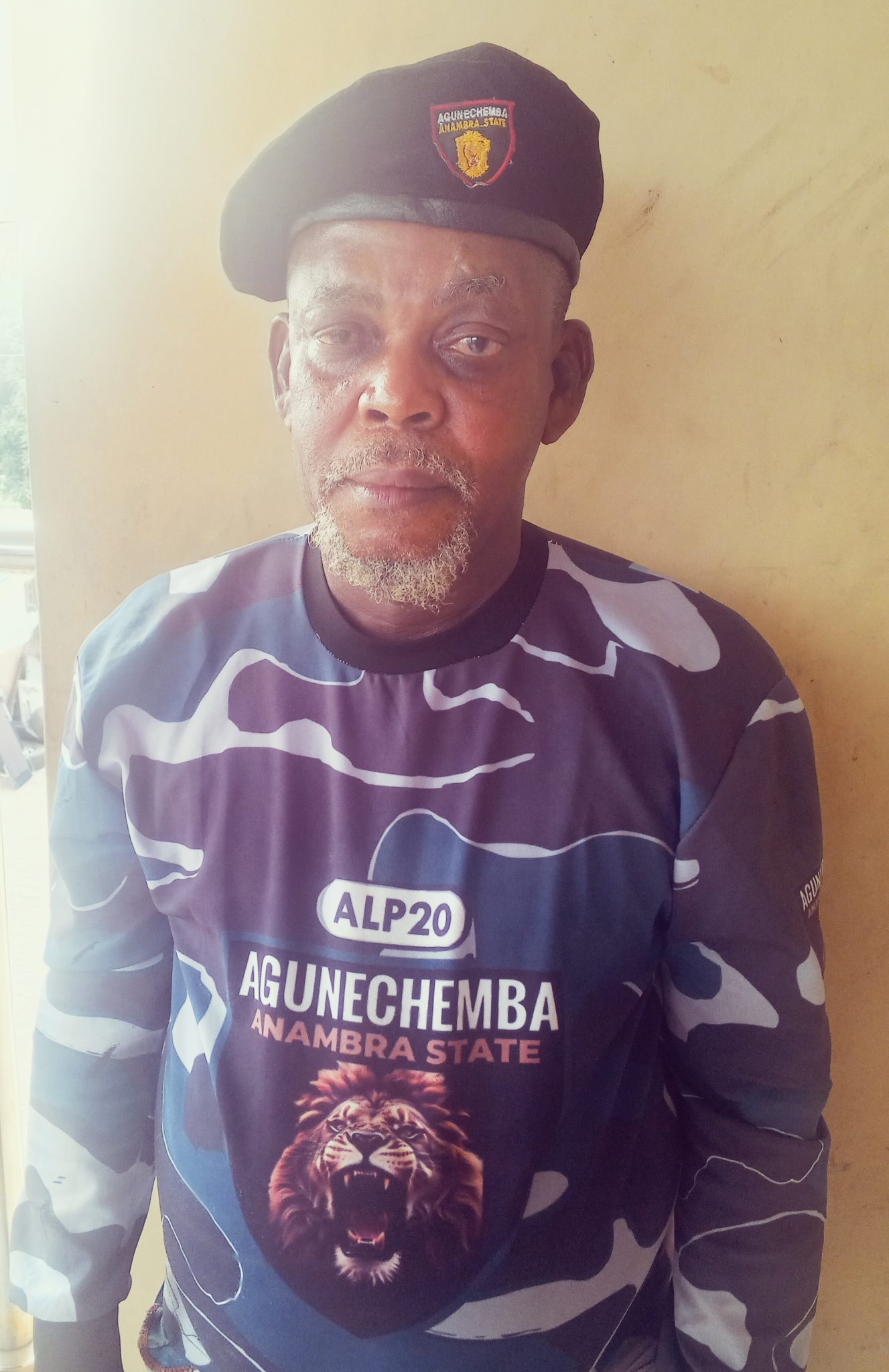
Some personnel of the Anambra State local security outfit, Agụnachemba, have lamented alleged non-payment of their salaries, claiming they are owed arrears ranging from two months to as much as eight months.
Several operatives who spoke to our correspondent in confidence alleged that despite carrying out their duties in high-risk environments, they have not received their salaries for extended periods.
One of the complainants said he had been deployed in the bush for over two months without pay, a situation he described as frustrating and demoralising.
“How can I be in the bush or at a duty post without being paid, while my family depends on me? Honestly, if I get another job, I will leave this one,” he said.
Another operative, who spoke on condition of anonymity, claimed he had not received his salary for eight months, expressing concern over how he could continue to fight crime without peace of mind.
“I have operated in some of the most dangerous areas in the course of this job. I even sustained injuries while combating insecurity, yet I have not been paid. It is painful. I have come out of the bush several times to follow up on my salary, but the problem remains unresolved,” he said.
Reacting to the allegations, the spokesman of Agụnachemba, Mr. Nweke Nweke, dismissed claims of salary arrears, insisting that the organisation does not owe its personnel.
Mr. Nweke said that whenever questions are raised about the welfare of Agụnachemba operatives, he acknowledges the efforts of Anambra State Governor, Professor Chukwuma Charles Soludo; the Special Adviser to the Governor on Community Policing, Prince Ken Emekayi; and the agency’s Operations Officer for their commitment to staff welfare.
According to him, the agency works proactively to ensure that all personnel are paid, given the sensitive and hazardous nature of their assignments.
He maintained that any operative who has not received payment is responsible for the issue and not the agency or the state government.
“We operate an electronic payment system; salaries are no longer paid in cash. Those complaining about non-payment usually have issues with their National Identification Number (NIN) or bank details. The problem is not from Agụnachemba or the government,” he said.
Mr. Nweke further stated that personnel had been repeatedly directed to regularise their banking and documentation details, but some had failed to comply, choosing instead to make allegations that could discredit the agency.
He argued that complaints from fewer than ten operatives out of about 3,000 personnel do not indicate systemic failure in salary payment by the Anambra State Government.
According to him, the state government has prioritised the welfare of Agụnachemba operatives and has consistently made funds available for their salaries and operational needs.
“Those who are complaining should go back to their banks and resolve their documentation issues. Their money is available. If you meet the same individuals ten times a day, they will still complain, while others are being paid. That shows the problem lies with them and their banks,” he added.
About Author