
By Uzu Okagbue
The prevailing argument fails not because it seeks to defend the Church, but because it misidentifies the offence. What is branded as “Akachaamism” is, in this instance, not a theology of separation but a reaction to perceived historical injustice. To collapse a protest against inadequate acknowledgment into apostasy is a serious moral and intellectual error.
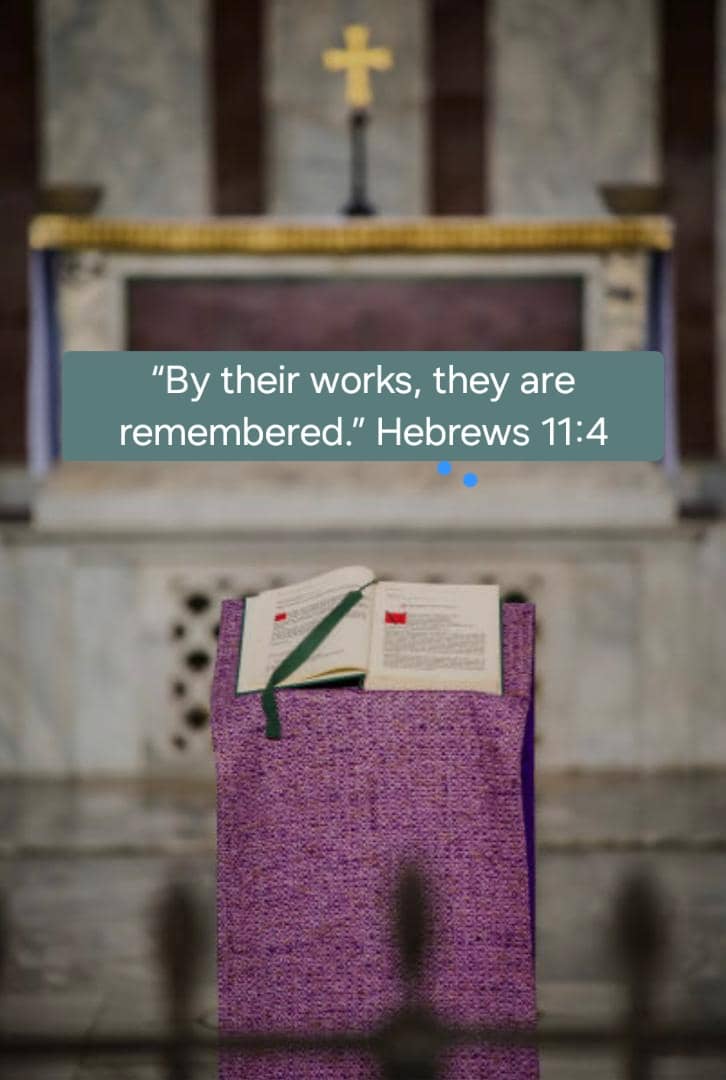
Scripture is clear: people are remembered by their works. The Bible does not promote holy amnesia. Abraham is remembered for obedience, David for kingship and repentance, Dorcas for charity, Cornelius for generosity. Memory in Scripture is not vanity; it is moral pedagogy: a way of teaching future generations what righteous service looks like. To diminish tangible contribution under the cloak of “Christian discretion” is not humility; it is selective forgetfulness.
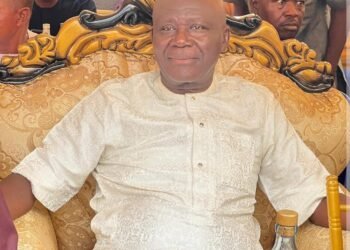
 Here lies the first major bias: a legitimate demand for proportionate acknowledgment is reframed as wounded pride. That move is convenient but dishonest. The question was never whether recognition existed in some footnote or archive, but whether it matched the scale and visibility of Senator Ifeanyi Uba’s contribution to the Cathedral. In moral accounting, how acknowledgment is given is inseparable from whether it is truly given at all.
The second bias is the castigation of James Okoye’s reaction rather than an objective engagement with its cause. His “Akachaa m” declaration; whether extreme, moderate, or ill-advised, was not born of vanity but of a conviction that the dead deserve justice precisely because they can no longer speak for themselves. One may interrogate his method, but dismissing the grievance as anticlerical drama avoids the real issue.
A third flaw is the false opposition between gratitude and humility. Christianity condemns giving for applause, not gratitude after sacrifice. Here the teaching of His Grace, Archbishop Valerian Okeke, is decisive: “Gratitude, gratitude, gratitude.” He reminds the Church that gratitude is not optional; it is a spiritual barometer. Scripture agrees. “In everything give thanks” and “Blessed are the thankful” capture the same truth: the depth of one’s gratitude defines the height of one’s beatitude. An ungrateful Church, no matter how doctrinally correct, becomes spiritually impoverished.
This exposes the weakness in the prevailing conclusion. Public acknowledgment of a public work is neither pride nor unbelief; it is institutional honesty and spiritual maturity. Cathedrals do not rise on abstractions, and gratitude does not diminish God: it magnifies Him by recognizing how He works through human instruments.
None of these questions the Bishop’s integrity or commitment. Oversight is human. But, leadership, especially episcopal leadership, is measured by the capacity to rise above the mundane, correct omissions, and respond with gratitude rather than defensiveness. A fuller and more fitting acknowledgment of Senator Ifeanyi Uba strengthens the Church’s moral authority; it does not weaken it.
In the final analysis, the argument being challenged protects tone over truth and order over justice. Yet the Church does not lose credibility because people demand fairness; she loses it when fairness is spiritualized away. To remember rightly is not to worship men: it is to teach gratitude, preserve truth, and honor God through honest memory.
About Author