
Chinedum Treasure
The TB Network, Anambra State, has called for the adoption of a Community-Led Monitoring model, increased government funding and stronger commitment to the fight against Drug-Resistant Tuberculosis (DR-TB).
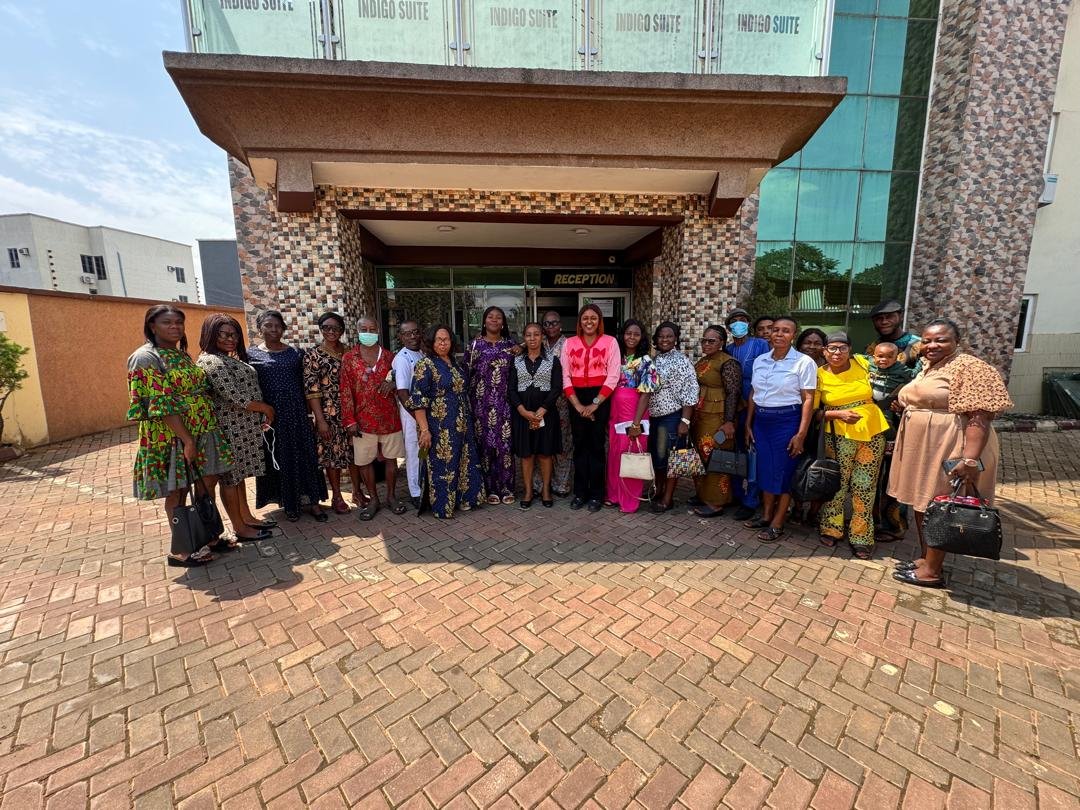
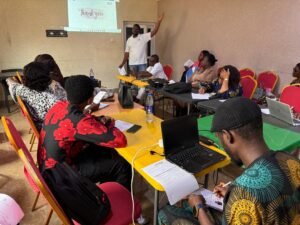
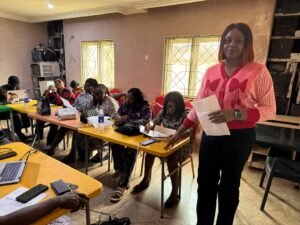
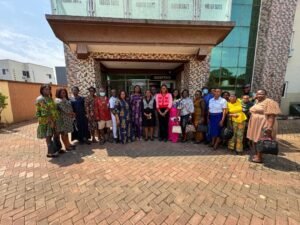
The group made the call during a Community Dialogue and Health Worker Engagement Meeting organised by the TB Network under the Community-Driven Approaches for Transformative Change to Combat Drug-Resistant Tuberculosis (COMBAT DR-TB) Project in Awka.
The COMBAT DR-TB Project, implemented in 12 Nigerian states by the Civil Society for the Eradication of Tuberculosis in Nigeria, TB Network, in collaboration with the National Tuberculosis, Leprosy and Buruli Ulcer Control Programme, NTBLCP, is supported by KELIN through Unitaid.
Zonal Programme Officer, COMBAT DR-TB Project, Juliet Obiajulu, in an opening remarks described Drug-Resistant Tuberculosis as a major public health challenge undermining Nigeria’s efforts towards ending the disease.
She noted that Nigeria remains one of the countries with the highest TB burden globally, with over 500,000 estimated cases annually, while significant gaps persist in diagnosis, treatment initiation and adherence, particularly among people living with drug-resistant TB.
Obiajulu stressed the need for community-based interventions to promote early diagnosis, timely treatment, adherence support and continuity of care, while addressing stigma and other barriers affecting patients.
State Programme Manager, TB and Buruli Ulcer Programme, Dr Ugochukwu Chukwulobelu described the partnership with TB Network as a strategic approach to strengthening the state’s TB response.
Chukwulobelu, represented by the Drug-Resistant TB Focal Person, Nwamaka Gloria Chijioke-Chukwu urged participants to maximise the collaboration and ensure its impact translated into improved treatment outcomes for people affected by the disease.
KNCV Programme Officer, Dr Chibuzor Nkala, reprinted by Prisca Ukor, encouraged participants to remain Cough Ambassadors, promote active case finding and serve as DR-TB Advocates in their communities.
She observed that many presumptive TB patients remain unidentified due to inadequate follow-up, urging Community-Based Organisations to sustain the search for missing cases and strengthen their capacity to support people affected by drug-resistant TB.
The TB and Leprosy and Buruli Ulcer Supervisor for Awka South, Anthonia Ofodile, outlined activities undertaken by health workers to include identification of TB and DR-TB cases, sample collection, patient enrolment and counselling.
She explained that different teams work together to identify cases, facilitate diagnosis and ensure that patients commence free treatment.
Also speaking, the TB Directly Observed Therapy (DOT) Officer, Chukwuemeka Odumegwu Ojukwu University Teaching Hospital, COOUTH, Ogochukwu Ireamaka, called for intensified case detection and sustained public awareness campaigns to address the growing concern over drug-resistant TB.
Participants also shared experiences and implementation challenges, including inadequate diagnostic and monitoring equipment in some health facilities, particularly blood pressure apparatus and weighing scales that provide inaccurate readings.
One of the testimonies highlighted how a philanthropist restored the water supply at COOUTH following intervention by a community-based organisation involved in active case finding.
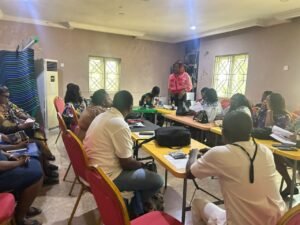
A major highlight of the engagement was an interactive talk show featuring questions and answers, which provided an opportunity for participants to discuss challenges, share experiences and identify practical ways of improving DR-TB service delivery.
The meeting ended with a call for stronger community participation through the adoption of Community-Led Monitoring to address DR-TB-related stigma, improve accountability, strengthen patient follow-up and ensure better treatment outcomes.
Participants, including State Coordinator, TB Network, Ifeyinwa Unachukwu, DOT Officers, TBLSs and other relevant stakeholders stressed need for increased government funding and sustained commitment to controlling drug-resistant tuberculosis.
About Author