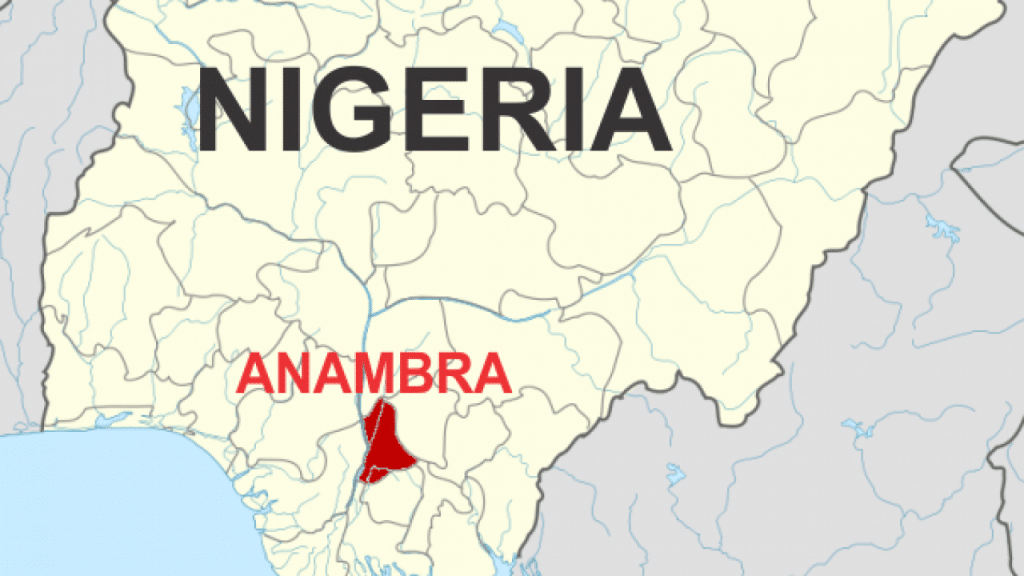

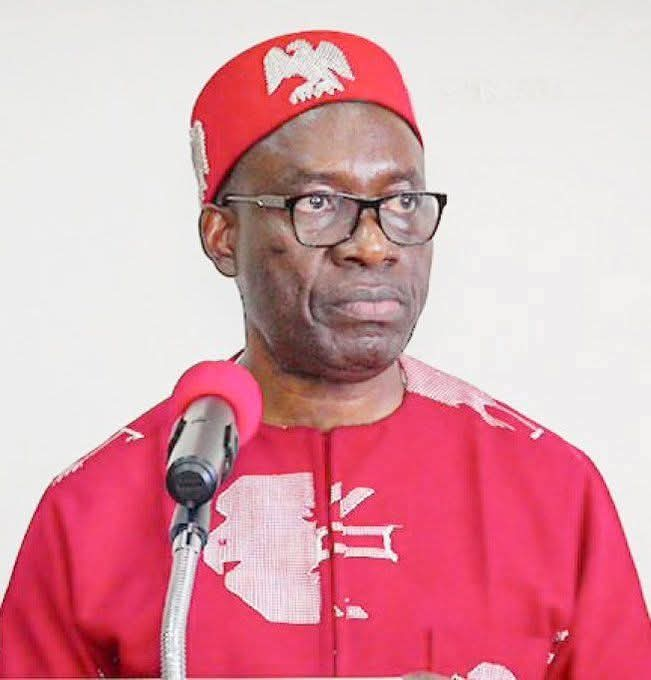
Some commissioners and representatives of non-indigenes in Anambra State have expressed satisfaction with the performance of Governor Chukwuma Soludo during his first term, while outlining expectations for his second tenure in office.
Speaking to journalists, the Commissioner for Information, Dr. Law Mefor, said Governor Soludo recorded notable achievements within three years and eleven months, particularly in road infrastructure development across the state and urban renewal projects in Ekwulobia and Okpoko.
Dr. Mefor also cited the employment of healthcare workers and teachers, the introduction of telemedicine services, and the establishment of functional primary healthcare facilities in all communities as key accomplishments of the administration, noting that these achievements contributed to the governor’s overwhelming re-election by Ndi Anambra.
 On expectations for the second tenure, he disclosed plans for the employment of more teachers and the rollout of major projects, including the Greater Niger City, Awka 2.0 Plus-Plus, Anambra State Mixed-Use Industrial City, a Marriott Hotel, and the construction of new primary schools across 32 communities, aimed at positioning Anambra as a preferred destination.
The Commissioner for Culture, Entertainment and Tourism, Comrade Don Onyenji, said the governor’s impressive record during his first term justified his convincing re-election, adding that the administration’s policies and programmes impacted all sectors of the state.
He noted that ongoing initiatives such as the fencing of Agulu Lake for its conversion into a beach and the training of 100 youths in filmmaking and entertainment would be strengthened and expanded in the second tenure.
Also speaking, the President-General of non-indigenes in Anambra State, Prince Chigozie Nweke, said Governor Soludo’s style of governance has positively affected both indigenes and non-indigenes in the state.
Prince Nweke advised the governor to provide standby security for traders at the Onitsha Main Market and urged him to sustain and consolidate existing projects, assuring that non-indigenes would continue to support and align with the administration’s policies and programmes.
About Author