

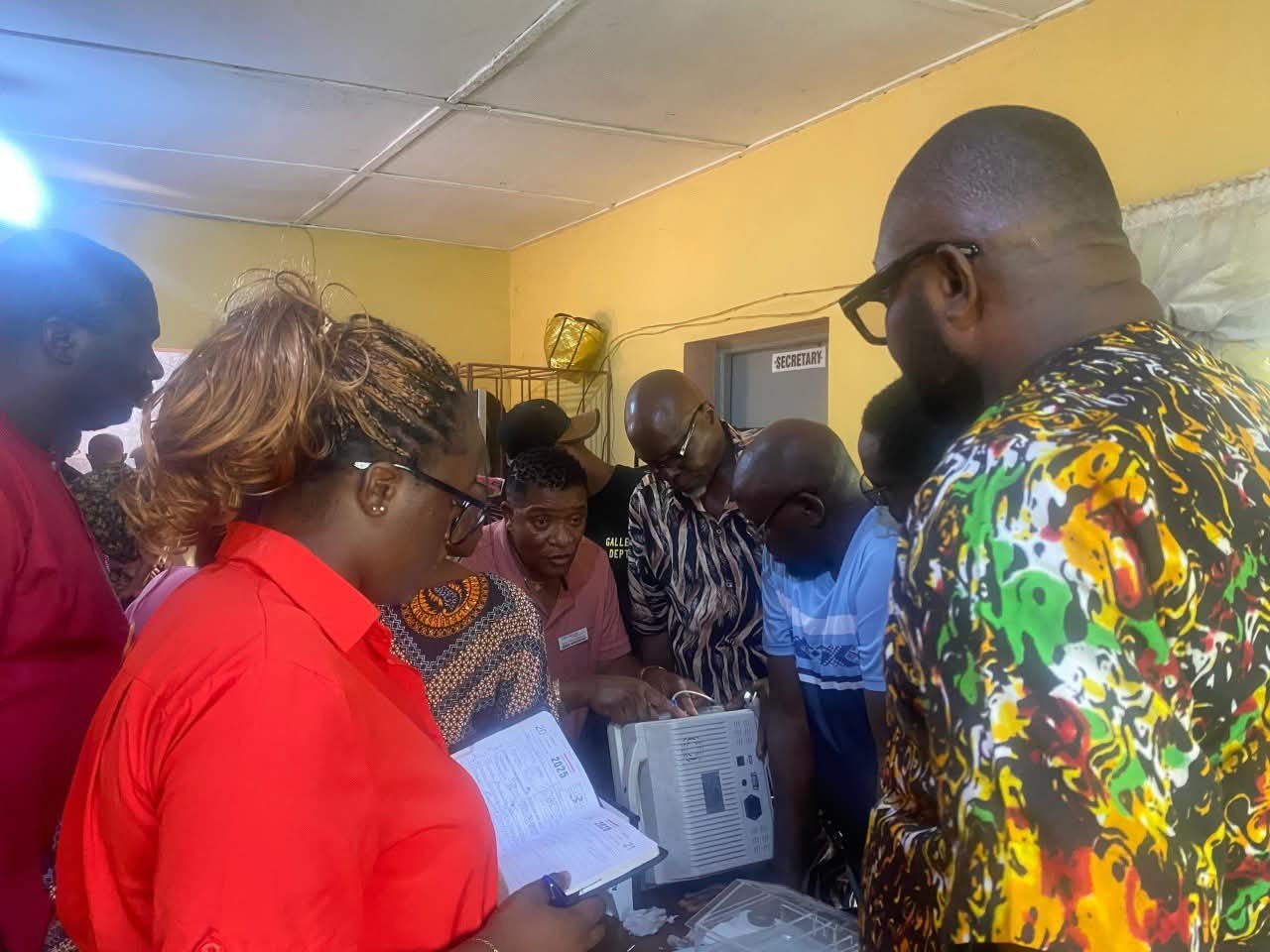
The Coca-Cola Safe Birth Initiative (SBI), has donated two 40-foot containers of medical equipment to the Anambra State Government to boost healthcare service delivery.
The State Hospital Administrator, Dr. Frank Ifeanaeme, made this known during an ongoing Biomedical Engineering training for Engineers and technicians from primary, secondary, and tertiary health facilities across the state.
He said the donation followed a needs assessment conducted in the state some years ago, adding that the initiative goes beyond equipment supply to include capacity building for biomedical personnel in collaboration with Medshare.
 Dr. Ifeanaeme explained that the training forms a key component of the SBI programme, aimed at ensuring optimal performance and maintenance of both newly donated and existing medical equipment.
He noted that the programme includes hands-on training, as well as the assessment, repair, and maintenance of faulty equipment in health facilities.
The hospital administrator expressed satisfaction with the progress of the training, revealing that several faulty or non-functional medical devices brought by participating facilities had already been repaired by trainees.
In a letter to the state government, Amaka Onyekwelu of the Coca-Cola SBI called for the mobilization of biomedical engineers and technicians across state and mission hospitals to fully benefit from the programme.
She noted that the initiative also welcomes participation from technicians in nearby and partner hospitals, describing it as a valuable contribution to Nigeria’s healthcare system.
Onyekwelu described the Coca-Cola Safe Birth Initiative as a maternal and neonatal health programme funded by Coca-Cola and implemented in partnership with Medshare International, alongside the Office of the Senior Special Assistant to the President on Sustainable Development Goals (OSSAP-SDG) and the Federal Ministry of Health.
She said the initiative is designed to strengthen public hospitals through the donation of essential equipment, repair and maintenance of faulty devices, and technical training for both caregivers and biomedical engineers.
About Author