

Chinedum Treasure
Anambra state government has been commended over its 111.8% increase in its Internally Generated Revenue (IGR).
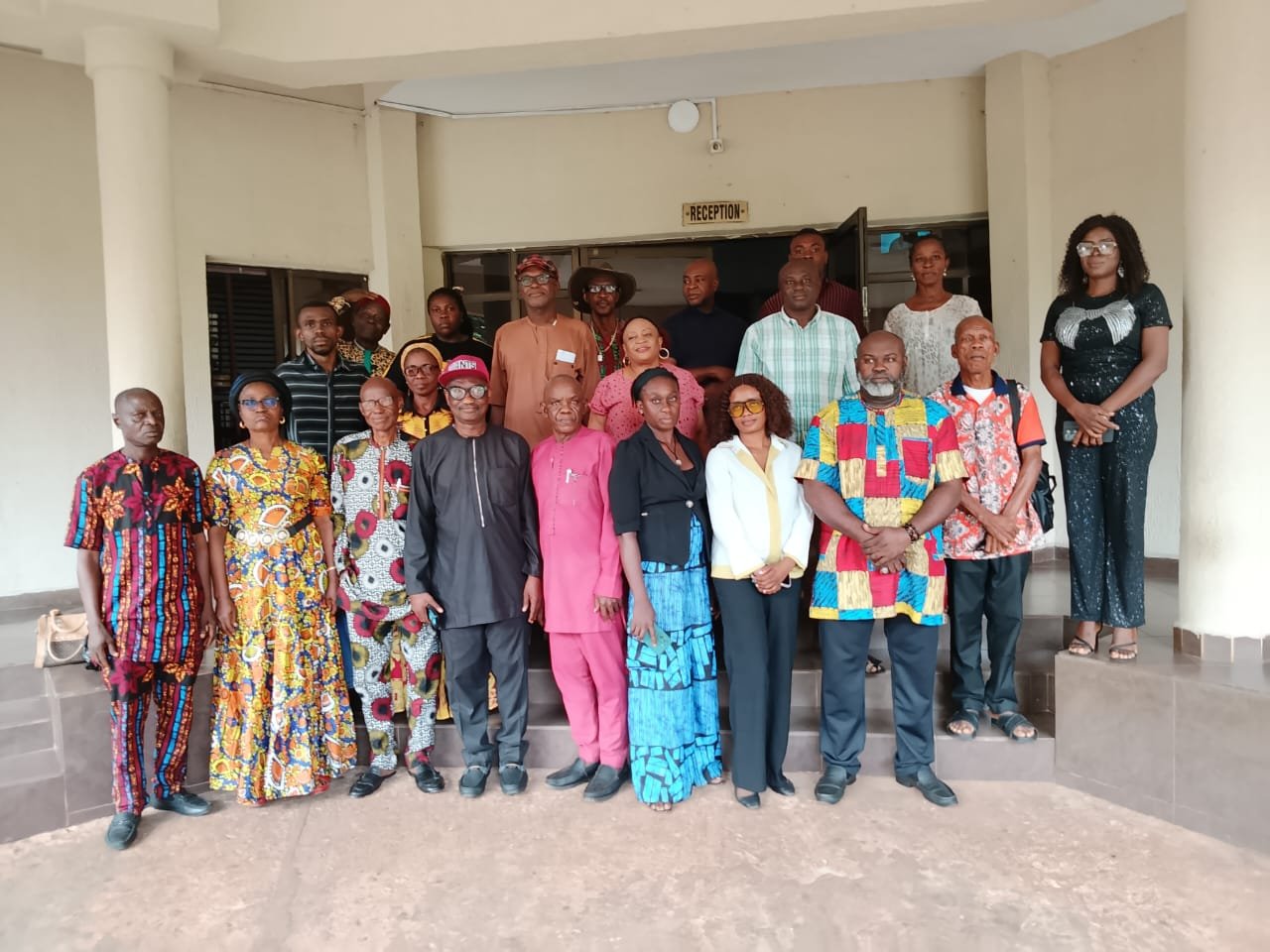
Stakeholders made the commendation in Awka during a strategic meeting organized by Civil Rights Concern (CRC) on implementation of Q1 & Q 2 of 2026 budget reports released by State government.
The stakeholders included representatives from Justice Development and Peace Caritas (JDPC), Nnewi, the Social and Integral Development Centre (SIDEC), and Community Empowerment Network (COMEN).
According to Executive Director, CRC, Okey Onyeka, the IGR increase was largely attributed to improved blocking of the leakages in revenue collection, calling for increased sensitization and education of tax payers through their associations.
He said the commendation was contained in a communique issued after the group’s engagement aimed at understanding the implementation priorities of the government within the two quarters of the year 2026.
“We commend the revenue office of the State for jumping the internally generated revenue of the State from N14. 4 billion in the first quarter of 2026 to over N30.5 billion in the second quarter of 2026; this is 111.8% increase.
“While urging the revenue office not to relent in its efforts, we enjoin citizens to pay their tax to support government in its efforts to improve services,” the stakeholders added.
The communique reads in part, “On the issue of equity in amount of tax paid by the informal sector, stakeholders advised revenue office to find way of resolving the matter, saying it was injustice for small businesses to be paying the same rate with bigger businesses with much higher turnovers.
“The application of the principle of best of judgment should be managed in consideration of serious gaps in information and understanding of many vulnerable people.
‘In ranking of funding priorities, the Ministry of works is number 1 as most prioritized government organisation and most funded, followed by reform of government and governance.
“Health sector got third followed by education as 4th. Agriculture as a sector that support strong health has zero funding in capital expenditure and this situation has been on for about two years now.
“There are situations that required very urgent attention such as the purchase of testing equipment for testing agricultural commodities to check the abuses in the use of dangerous chemical in food preservation and adding of dye to red palm oil to make it look very bright.
“These allegations confirmed by many stakeholders should be enough reason to release money for the purchase of the testing equipment.
“Stakeholders thus recommended that quick attention should be given to the purchase of testing equipment and funding of agriculture capital expenditures to reduce such abuses and improved food production.
“On zero implementation of primary healthcare budget, Stakeholders lamented that zero implementation of primary healthcare capital expenditure budgets had been a challenge in primary healthcare.
“Stakeholders further discussed issues of poor budget descriptions of activity titles, regretting that such development had largely contributed to none prioritization and funding of the budget items.
“Activity titles should be more specific with regard to numbers and locations of activity to provide better understanding so that the approval authorities will respond to them positively.
“Stakeholders thus recommended that improved and effective use of the BHCPF is very critical for more and better services in primary healthcare system as state funding is very thin and sparse for primary health capital expenditure items.
“They also called for improved funding of primary healthcare capital expenditures as none implementation would be affecting the level of services available.”
Program Manager, JDPC, Onyekachi Ololo said the engagement also offered stakeholders opportunity to review the implementation reports and the priorities given to the health sector, especially maternal healthcare and other key sectors.
About Author