
Chinedum Treasure
Civil society groups working on HIV, Tuberculosis and Malaria has called on government, development partners, private sector, community leaders and citizens to prioritize health education towards addressing barriers to prevention and treatment of TB, HIV, Malaria, and Gender-Based Violence related issues in Nigeria.
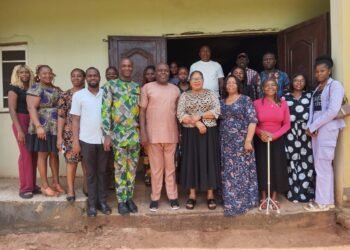
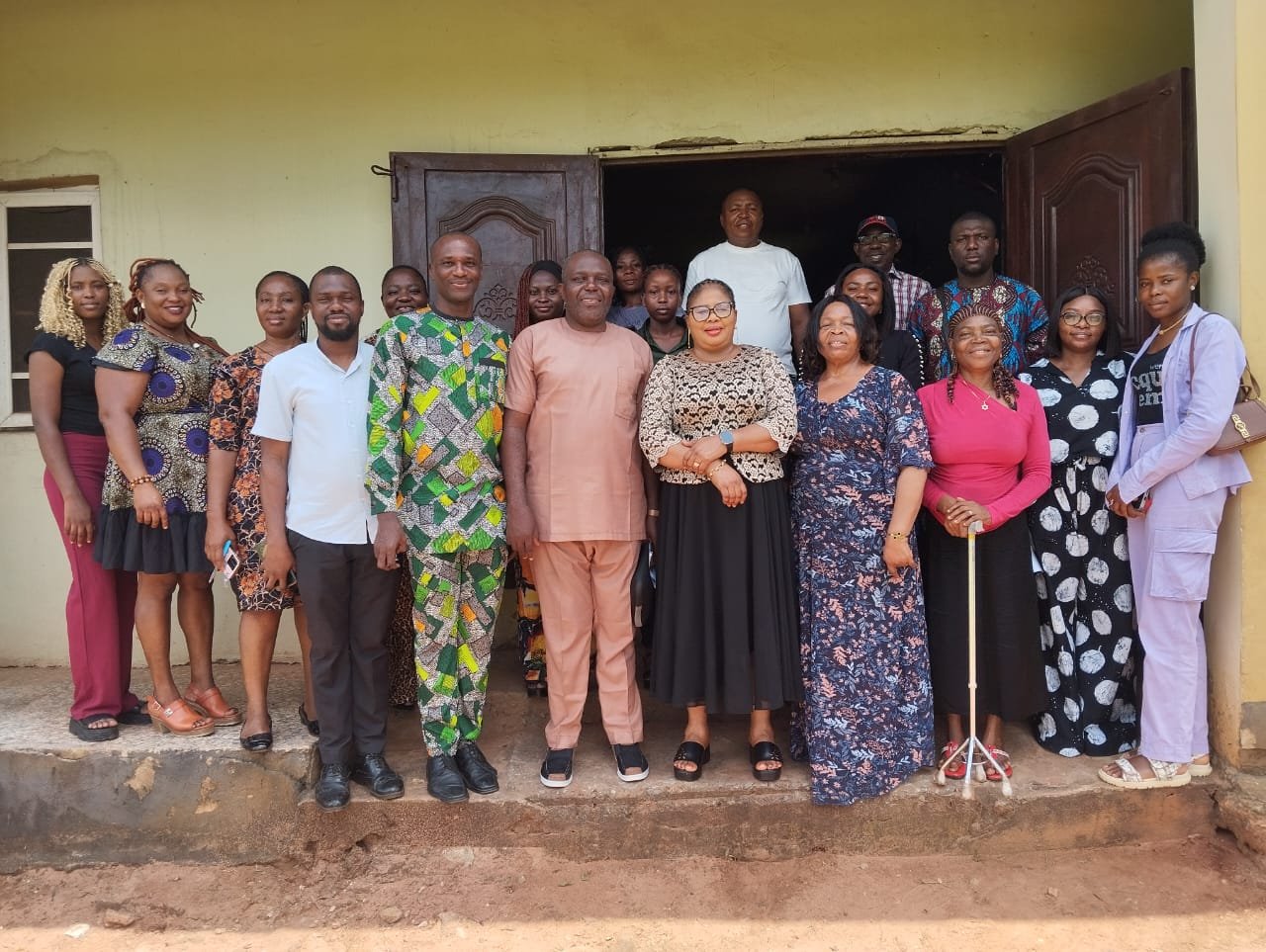
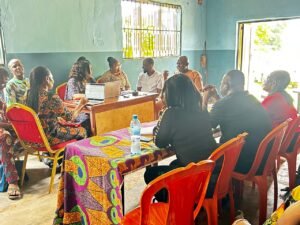
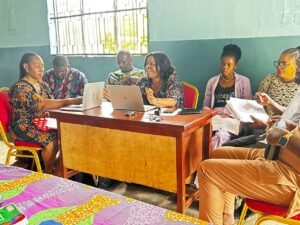
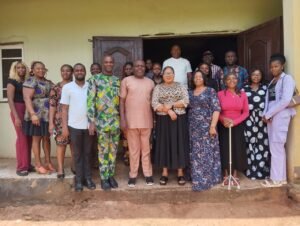
The HTM Networks made the call on Monday n Awka, Anambra state during a media briefing on the Global Fund GC7 Integrated Community-Led Monitoring (I-CLM) Project currently being implemented in nine PHCs in the state.
The coalition, namely Civil Society for the Eradication of Tuberculosis in Nigeria (TB NETWORK), Network of People living with HIV/AIDS in Nigeria (NEPWHAN) and Association of Civil Society Organisations on Malaria, Immunisation and Nutrition (ACOMIN) is implementing the project with Institute of Human Virology Nigeria (IHVN) on the Global Fund GC7 I-CLM Grant.
Addressing newsmen during the group’s Quarterly Integrated CLM State press briefing, State Coordinator, Ifenyinwa Unachukwu also called for engagement as well as empowerment of communities to embrace positive behavior change to achieving success in malaria, HIV, and TB responses in Nigeria.
She stressed the need for adequate resources to be committed for full and effective implementation of all planned interventions, including involvement of the private sector and community participatory approaches through advocacy and partnerships.
According to her, for Nigeria to progress in addressing HIV, TB, Malaria, and GBV-related issues, there’s a need to implement measures that include prevention and treatment, health education and promotion, and community partnership.
Unachukwu further called on government at all levels to adopt CLM as grassroot model for health development.
She said, “The National/State Health Insurance program enjoyed by the formal sector should be extended to other vulnerable citizens, particularly the poor.
“The poor often are less educated and unemployed and cannot consequently pay out of pocket for the high costs associated with accessing healthcare services.
“Funding of primary healthcare should be devoid of misappropriation or mismanagement to enable a robust public health program at all levels.
“Every ward should commit to health promotion and education programs to increase awareness of disease prevention and promote community participation in healthcare.
“Community members should actively support and advocate for their Primary Healthcare Centres (PHCs) as community involvement is crucial in ensuring the sustainability and effectiveness of these centres.
“Community support can manifest through volunteering, donating resources, or participating in advocacy efforts to secure increased funding and resources for PHCs.”
Unachukwu further stressed the need for strengthening of health systems with necessary financial resources provisions and renewed political will to foster favorable collaboration, just as she called for scaling up of evidence-based and cost-effective interventions such as the I-CLM to include community-based service delivery models with focus on people-centered care.
On the group’s achievements, Unachukwu said Community Based Organizations (CBOs) implementing the Global Fund, IHVN-supported, and TB Network-led I-CLM in the State have heavily made communities to own and support healthcare facilities.
“CBOs have also increased patronage through awareness, breaking barriers, and weakening sentiments associated with the patronage of the PHCs,” she added.
Lamenting growing cases of Gender-Based Violence as well as Gender and Human Rights Issues, Civil Society for the Eradication of Tuberculosis in Nigeria, the group called on stakeholders to fight against such vices, just as it urged citizens to stop the perpetrators.
“In Nigeria, gender-based violence takes many forms, including domestic, verbal, and physical abuse, rape, sexual assault, early and forced marriages, incest, female genital mutilation, acid baths, and outright killing.
“Women, men, boys, and girls continue to suffer all forms of degradation and deprivation in public and private spaces.
“Let us not be silent. Let us pull our efforts together to rid this nation of this menace of gender-based violence…If you see something, please say something,” it added.
About Author