


Chinedum Treasure
The Rotary Club of Onitsha Metropolis has called for stronger collaboration among government, business owners, community leaders and professional organisations to strengthen small businesses, create jobs and promote sustainable economic development in Anambra State.
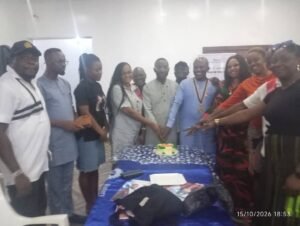
The call was made during a fellowship organised by the Club to commemorate Community and Economic Development Month, themed: “Building Stronger Small Businesses: A Collaborative Approach to Job Creation and Sustainable Economic Development in Onitsha.”
The fellowship brought together Rotarians to examine the contributions of small businesses to the local economy, identify challenges confronting entrepreneurs and explore practical ways stakeholders can work together to support business growth and improve livelihoods.
Onitsha, one of the major commercial centres in the South-East, is home to thousands of traders, artisans, distributors, manufacturers and other entrepreneurs whose activities contribute significantly to the economic life of the city, Anambra State and neighbouring communities.
While noting that small businesses provide livelihoods for families, create employment and sustain local commerce, the Club described targeted interventions and stronger partnerships as necessary to enable them to survive, expand and contribute more effectively to economic development.
Delivering a paper for the fellowship, Rtn. Ifeanyi Ezemuoka identified access to finance, high operating costs, inadequate infrastructure, financial management, market access and limited digital skills among the major challenges confronting small businesses.
In their separate contributions, Rtn. Obiaku Ijeoma Juliet, Assistant Governor for Onitsha Zones 18, District 9142; Past President Rtn. Oby Arinze; and Past Assistant Governor Rtn. Ossai Obinaefo shared their observations on the operating environment for small businesses in Anambra State.
They stressed the need for sustained government support and stronger engagement among public institutions, entrepreneurs, professional organisations and other stakeholders to address challenges limiting business growth and employment opportunities.
The Rotarians observed that sustainable business development requires access to finance, reliable infrastructure, effective management, market opportunities and a stable operating environment.
They also noted that government policies and private-sector initiatives should complement one another to create conditions that encourage investment, productivity and job creation.
President of the Rotary Club of Onitsha Metropolis, Rtn. Ezuma Smart Chinedu called on business owners, community leaders and government authorities at the local, state and federal levels to strengthen collaboration in building a more supportive environment for small businesses.
He commended the contributions of public institutions and private enterprises to economic development and urged stakeholders to deepen engagement with entrepreneurs to better understand and respond to their practical needs.
Addressing business owners, Ezuma advised them to improve their financial management practices, maintain proper business records, adopt digital tools, improve product quality and develop clear strategies for growth.
He also encouraged entrepreneurs to embrace innovation, good customer service, responsible management and strategic partnerships capable of opening up new markets and creating employment opportunities.
The Rotary President urged community leaders, including traditional rulers, town unions and community development associations, to promote peace, security, environmental sanitation and cooperation while supporting local businesses, vocational training and youth development.
He called on local government authorities to pay greater attention to market facilities, access roads, environmental sanitation and other infrastructure that supports commercial activities.
Ezuma also encouraged local authorities to maintain regular dialogue with traders, artisans and business associations in order to identify pressing challenges and develop practical solutions.
At the state level, Rtn. Ezuma encouraged the Anambra State Government to sustain efforts aimed at promoting entrepreneurship, improving infrastructure, facilitating access to business support programmes and strengthening partnerships with financial institutions, professional bodies and private-sector operators.
He also called on the Federal Government to strengthen policies and programmes that improve the ease of doing business, expand access to affordable finance, promote local production and address infrastructure and energy challenges affecting small enterprises.
According to him, government, businesses and communities each have important roles to play in building a stronger economy.
He stressed that effective collaboration would help align government policies with the realities faced by entrepreneurs and improve the impact of business support programmes.
He further noted that the number, quality, productivity and sustainability of businesses in a state or country are important indicators of employment generation, household welfare, public revenue and long-term economic growth.

About Author