
Chinedum Treasure
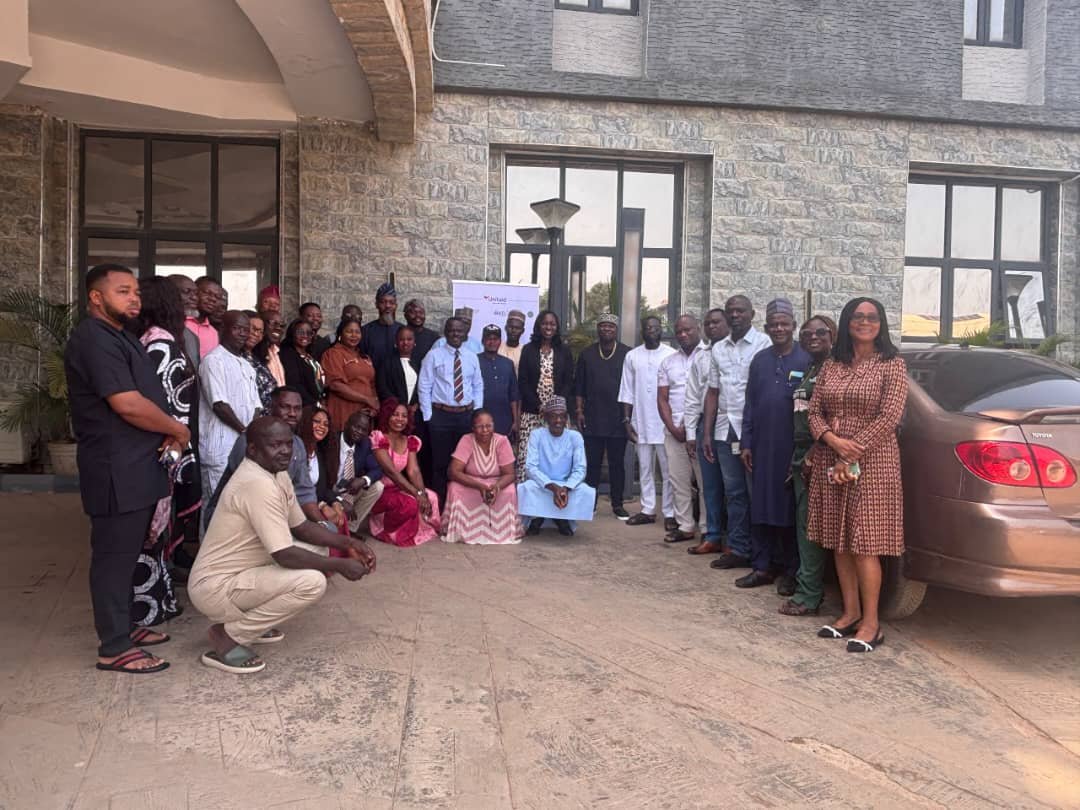
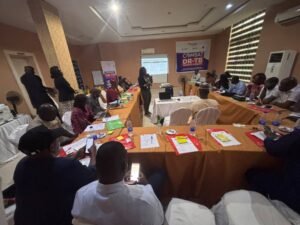
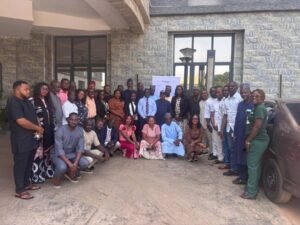
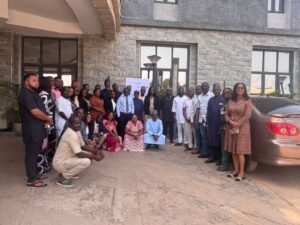
A total of twenty-four media practitioners have commenced a 3-day training in the Federal Capital Territory (FCT) on coverage and reporting of drug-resistant tuberculosis (DR-TB) by Civil Society for the Eradication of Tuberculosis in Nigeria (TB Network).
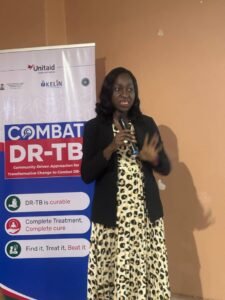
The journalists, drawn from 12 states of Anambra, Cross River, Ebonyi, Lagos, Osun, Borno, Delta, Taraba, Zamfara, Nasarawa, Kaduna and FCT are being trained under the Community-Driven Approaches for Transformative Change to Combat Drug-Resistant Tuberculosis (COMBAT DR-TB) Project, with support from Unitaid.
Declaring the training open, National Coordinator of TB Network, Olayide Akanni described TB as a technical public health issue that required specialised knowledge.
She however decried limited media coverage of the disease, attributing the challenge to inadequate knowledge of the disease among journalists and their employers.
According to her, not many journalists have received dedicated training in TB management and reporting, regretting that such knowledge gap had led to the irregular coverage of the disease, which often receives significant media attention only during World TB Day commemorations.
“There must be sustained media engagement in the fight against drug-resistant tuberculosis (DR-TB), strengthened public awareness, counter misinformation and stigma as well as promotion of early diagnosis and treatment.
“The prevention, control and management of the disease remains critical public health priorities that requires consistent media attention beyond annual commemorative events.
“Journalists must be intentional and passionate about hyping TB issues. They should make it consistent public health reporting, assisting communities recognise symptoms, seek timely diagnosis, access treatment and support those affected by the disease,” she added.
One of the facilitators and Head of the Training Department at the National Institute of Public Health and Infectious Diseases, Dr Jiya-Chitumu Eunice described TB as major public health challenge requiring accurate reporting and sustained public education.
She urged media practitioners to humanise their reports, dispel myths and misconceptions about DR-TB and more importantly, hold relevant institutions accountable for their responsibilities in disease prevention and control.
“Journalists should also adopt evidence-based reporting that promotes early diagnosis, treatment adherence and public understanding of the disease, while they shun misinformation and discriminatory attitudes,” she said.
Delivering a paper on understanding TB and DR-TB Jiya-Chitumu explained that tuberculosis is transmitted through the air and can affect anyone, regardless of social or economic status.
She noted that TB infection can remain latent in the body without causing symptoms but may progress to active disease when the immune system is unable to contain it.
She identified undernutrition, HIV infection, diabetes, smoking, harmful substance use, alcohol consumption and close contact with an infectious TB patient as factors that increase the risk of developing the disease.
“Other risk factors include overcrowded and poorly ventilated living conditions, as well as occupational exposure to silica dust among miners and quarry workers.
“Children under five, people living with HIV, prisoners and detainees, internally displaced persons, people in conflict-affected communities, urban slum dwellers, nomadic populations, miners and healthcare workers among groups requiring particular attention in TB prevention and control efforts,” she added.
Citing the World Health Organization’s 2025 report, Jiya-Chitumu Eunice noted that 88 per cent of people treated for drug-susceptible tuberculosis globally achieved successful treatment outcomes.
National Monitoring and Evaluation Officer of TB Network, Ebuka Nnodim, while presenting an overview of the COMBAT DR-TB Project, stressed the need for sustainable financing and stronger government ownership of tuberculosis control programmes.
He expressed concerns over dependence of state-level TB programmes on external funding, warning that declining donor support could undermine continuity of essential interventions if governments failed to increase domestic allocations.
“This project aligned with broader efforts to strengthen domestic funding for TB interventions, particularly amid reductions in financial support from some international development partners, including the United States government,” he said.
In a presentation titled TB and DR-TB Burden in Nigeria: Progress, Challenges and Sustainability of the TB Response, Dr Adebayo Ekosanmi examined the burden of tuberculosis and drug resistance, progress made in the national response, and the challenges threatening sustainable control efforts.
He identified community-based screening, active case finding, prompt diagnosis and effective treatment as essential strategies for reducing the burden of tuberculosis, warning that reductions in community outreach activities could weaken case detection, leaving more people undiagnosed and increasing risk of continued transmission.
Earlier in his goodwill message, TB/DR-TB Focal Person in the Public Health Department of the Federal Capital Territory, Henry Ofordu underscored the importance of addressing stigma and discrimination against people affected by TB.
He called for stronger grassroots awareness campaigns, noting that misconceptions about the disease persisted in some communities, where people still doubted its existence or misunderstood how it spreads.
Describing journalists as critical stakeholders in promoting accountability, Ofordu urged them to promote accurate information that would assist victims seek diagnosis and treatment without fear of rejection or prejudice.
On his part, Dr Bethrand Mamman of
Knowledge Network for Disease Control and Vigilance (KNCV) Nigeria urged media practitioners to prioritize TB reporting, describing it as a front-burner public health issue that deserved sustained attention.
Blessing Ukpabi of the Institute of Human Virology Nigeria (IHVN) urged state governments to demonstrate greater commitment by providing adequate funding for TB prevention, community outreach, screening, diagnosis, treatment and patient support.
About Author