

By Tony Okafor
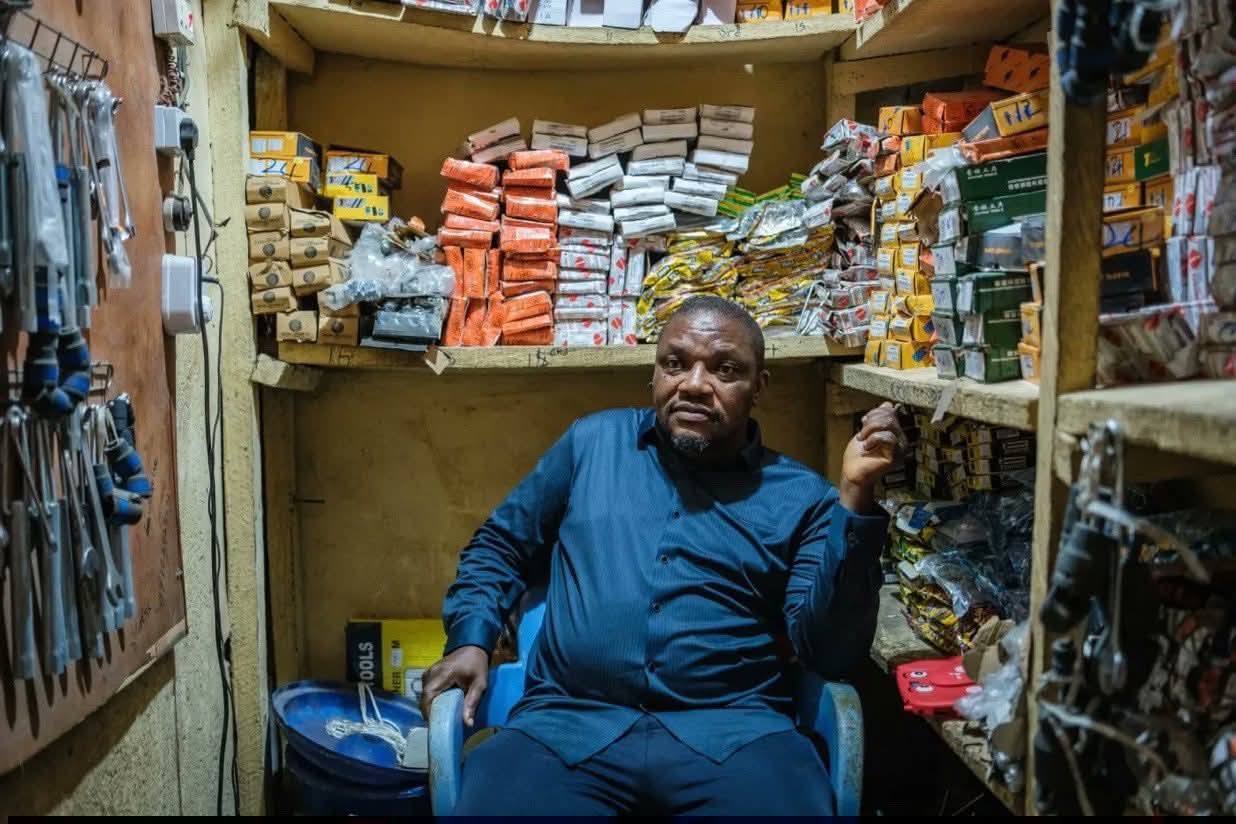
Say it anywhere: the New York Times feature, “The Screwdriver Salesman Behind Trump’s Airstrikes in Nigeria,” is suspect.
Unsurprisingly, the article sparked widespread concern in Nigeria—not only because of its claims, but also because of its timing.
At the centre of the controversy is Emeka Umeagbalasi, Chairman of the International Society for Civil Liberties and the Rule of Law (Intersociety), a civil society organisation long known for its reporting on insecurity and sectarian violence.

Just four days before the New York Times piece was published, Business Insider Africa reported that the Nigerian government allegedly paid $9 million to a US lobbying firm to challenge its designation as a Country of Particular Concern.
The proximity of these developments led many Nigerians to question whether the article was merely coincidental or part of a coordinated narrative.
Critics argue that the story appears aimed at shifting responsibility for the December 25, 2025 US airstrikes in Sokoto away from governments and institutions and onto a single activist.
The suggestion that a so-called “screwdriver salesman” operating in Onitsha could influence US foreign policy to the extent of triggering airstrikes strains credibility.
More troubling is the article’s emphasis on Umeagbalasi’s appearance and modest business pursuits, rather than the substance of Intersociety’s work.
Such framing appears calculated to diminish his credibility and is especially sensitive in a country where ethnic divisions are easily politicised and weaponised.
Notably, the report devoted little attention to Intersociety’s extensive body of publications, despite asserting that these reports influenced US lawmakers.
This selective focus raises questions about intent—particularly as the article reportedly involved significant copious local spending on guides and photographers, fuelling further speculation about funding and motivation.
In a country where official data is often viewed with distrust, civil society reports naturally help fill the information gap—even if, like all research, they are not immune to error.
Ultimately, the article appears to have missed its mark. Rather than discredit Emeka Umeagbalasi, it has amplified doubts about official narratives and media framing.
The central question therefore remains unresolved: who funded and shaped this story, and for what purpose?
Until that question is answered, the “screwdriver salesman” narrative will continue to be seen by many Nigerians as an exercise in political storytelling rather than balanced journalism.
About Author