
When Norway discovered oil in 1969, it made a decision that would eventually distinguish it from many resource-rich countries. It decided that oil revenue was not simply income to be spent; it was a finite national asset that had to be converted into lasting wealth.
Norway consequently established a sovereign wealth fund, invested its petroleum earnings across different asset classes and imposed rules limiting how much government could withdraw. Today, that fund is the largest of its kind in the world.
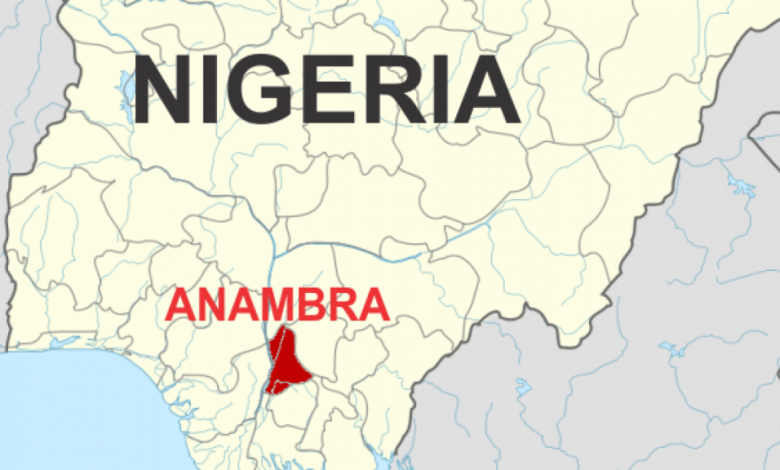
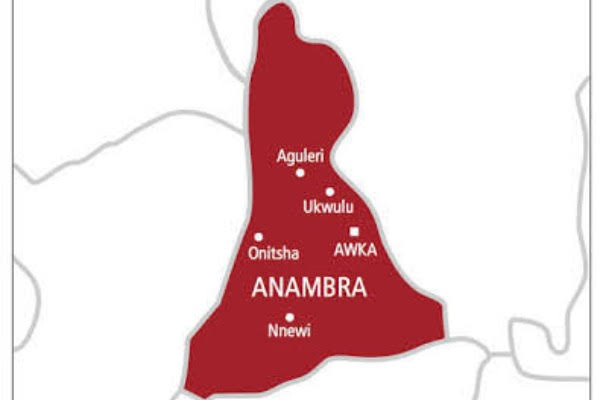
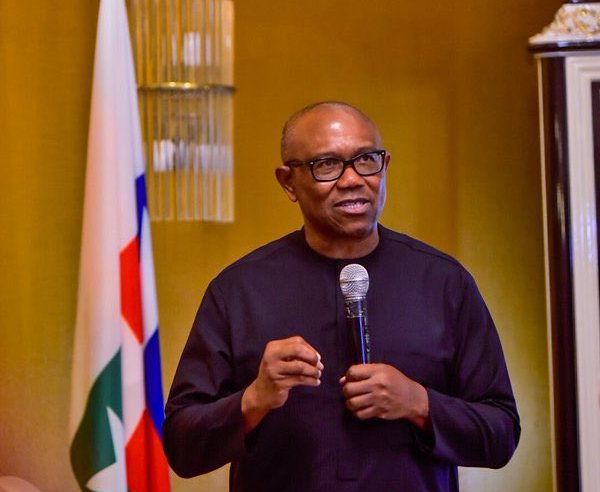
Peter Obi’s approach as governor of Anambra State reflected a similar philosophy, even if it operated on a much smaller scale.
During his tenure, high global oil prices led to increased revenues flowing from the Federation Account Allocation Committee to Nigeria’s states. The conventional political response would have been to expand expenditure in line with the higher allocations. Government would employ more people, create new recurrent obligations and embark on projects simply because more money had become available.
Obi thought differently.
He understood that an increase caused by high oil prices was not necessarily permanent income. Oil prices could fall, production could decline and federal allocations could shrink. If government built its expenditure around a temporary windfall, it would eventually face deficits, abandoned projects and unpaid obligations.
His response was to set aside part of the increased revenue and diversify it across cash, bonds, financial institutions and productive enterprises.
The principle was straightforward: no matter how modest your resources may appear, something should be reserved for tomorrow. It is the same discipline expected of individuals and businesses. You do not consume everything you earn simply because your present needs are numerous. You save a defined portion, invest it intelligently and allow compounding to strengthen your future.
This is why the criticism that Anambra was “too poor to save” misunderstands the philosophy. Poor people need savings even more than wealthy people because they have less capacity to absorb future shocks. Likewise, a state dependent on volatile federal allocations has an even stronger reason to build reserves and alternative sources of income.
Obi also understood that saving does not mean leaving money idle while citizens suffer. A responsible government must invest in education, healthcare, roads, security and other essential services. But prudent government requires balance. Meeting today’s needs does not justify consuming everything and leaving the next administration with an empty treasury.
His investments in institutions and businesses—including strategic enterprises capable of creating employment, generating dividends and expanding Anambra’s productive base—represented an attempt to convert temporary public revenue into enduring public assets.
Not every investment decision should be immune from scrutiny. Questions about valuation, governance, liquidity and performance are legitimate. That scrutiny, however, does not invalidate the underlying principle: government should own assets, maintain reserves and earn investment income rather than exist merely as a monthly consumer of FAAC allocations.
Obi’s more significant shortcoming was that he did not sufficiently enshrine this philosophy in law.
Anambra needed a legally established Future Fund into which a defined percentage of exceptional FAAC receipts and other windfalls would automatically be paid. The law should have prescribed investment limits, independent professional management, public reporting and strict withdrawal conditions. It should also have required legislative approval before any government could liquidate the assets.
Without such a framework, the policy remained too dependent on the personal discipline of one governor. A successor could change direction, liquidate investments or treat accumulated savings as money available for immediate expenditure.
That is where Norway went further. Norway did not depend indefinitely on the character of a particular prime minister or finance minister. It transformed financial prudence into a national institution supported by law, transparency and broad political consensus.
Peter Obi demonstrated that a Nigerian government could save, invest and diversify while still meeting its responsibilities. His unfinished task was converting that discipline into a permanent fiscal architecture for Anambra State.
Nevertheless, the central lesson remains powerful.
Leadership is not demonstrated only by how much money a government spends. It is also measured by what it preserves, what it invests and what it leaves behind. Any administration can consume an oil windfall. It takes foresight to recognise that unusually high revenue belongs partly to the future.
Peter Obi’s instinct was therefore correct: spend responsibly today, but never consume tomorrow.
About Author