

Chinedum Treasure
The Anambra State Tuberculosis, Leprosy and Buruli Ulcer Control Programme (TBLSCP) and the AIDS, Tuberculosis and Malaria (ATM) Network have strengthened their partnership to address gaps in tuberculosis service delivery through community-led monitoring and evidence-based interventions.
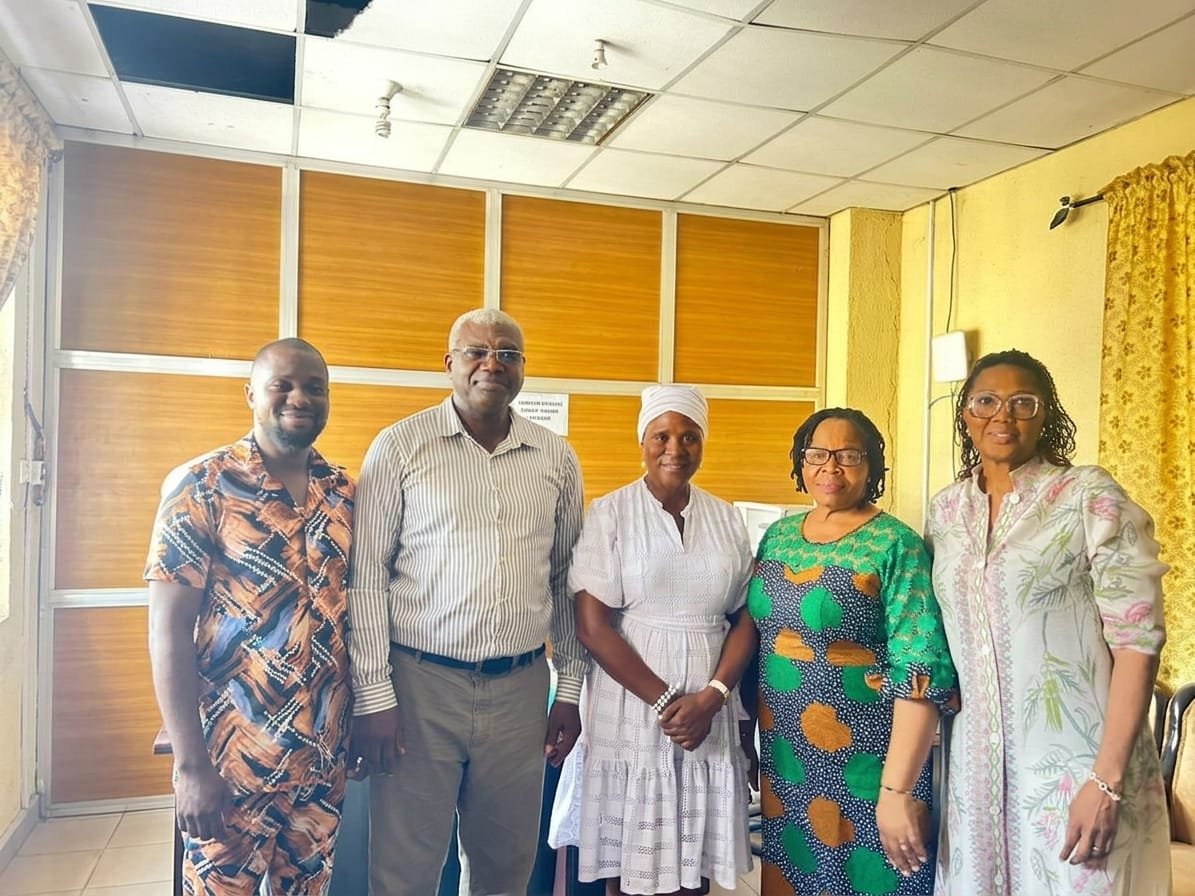
The commitment was reaffirmed during an advocacy visit by the ATM Network to the State Programme Manager of the TBLSCP, Dr. Ugochukwu Chukwulobelu, at the Anambra State Ministry of Health in Awka.
The visit formed part of the implementation of the Global Fund-supported Integrated Community-Led Monitoring (CLM) Project, which seeks to improve access to quality TB, HIV and malaria services through community-generated evidence.
Leading the delegation, the State Coordinator of the TB Network and Chair of the ATM Network in Anambra State, Mrs. Ify Unachukwu, said the project is helping to identify service delivery gaps and provide data that can support government efforts to strengthen healthcare delivery.
She noted that the initiative aligns with the Anambra State Government’s drive to strengthen primary healthcare, expand access to quality services and promote evidence-based decision-making.
The State Programme Officer of the TB Network, Mr. Onyekachi Ololo, presented emerging findings from health facility and community monitoring, identifying challenges affecting TB service delivery, including limited service accessibility, shortages of commodities, patient experience, referral systems, stigma and weak community-health system linkages.
According to him, the findings offer practical recommendations for improving the quality, equity and responsiveness of TB services across the state.
The advocacy team emphasized that Community-Led Monitoring complements government programmes by providing timely, credible and actionable feedback from communities and health facilities to support continuous improvement in healthcare delivery.
Responding, Dr. Chukwulobelu commended the ATM Network and its partners for supporting the implementation of the Integrated Community-Led Monitoring Project, describing the initiative as an important mechanism for improving programme performance.
He stressed the need for the regular submission of Community-Led Monitoring reports, saying timely feedback would enable the TBLSCP to quickly identify service delivery gaps, implement corrective actions and improve access to quality tuberculosis services across Anambra State.
The Programme Manager also assured the advocacy team that the TBLSCP would continue to review and act on evidence-based recommendations that contribute to better patient outcomes and the achievement of national and state TB control targets.
The meeting ended with both parties reaffirming their commitment to sustained collaboration, regular information sharing and the use of Community-Led Monitoring findings to strengthen planning, accountability and the delivery of quality tuberculosis services throughout Anambra State.
About Author