
Chinedum Treasure
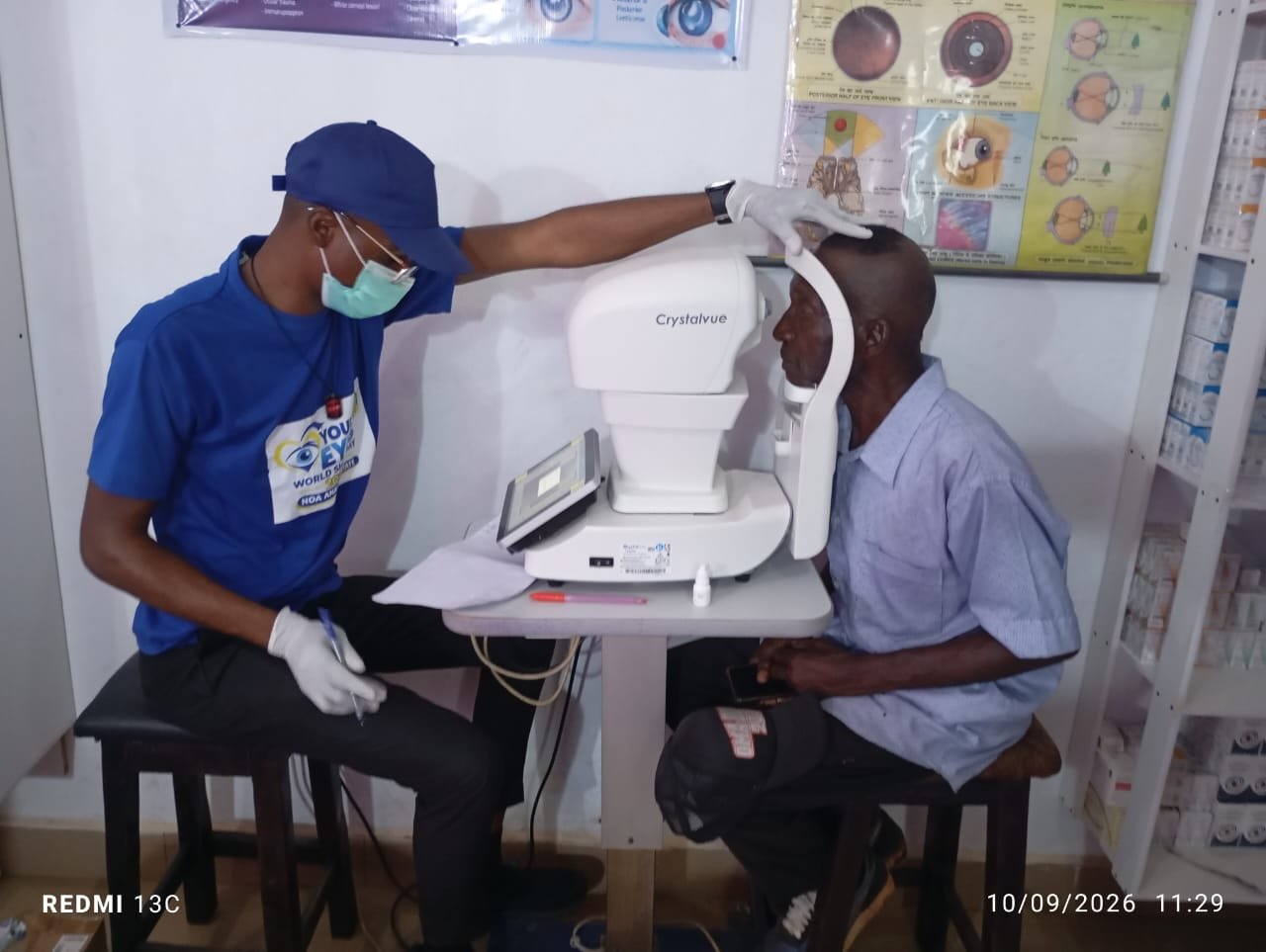
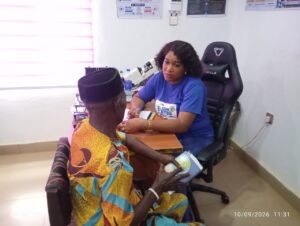
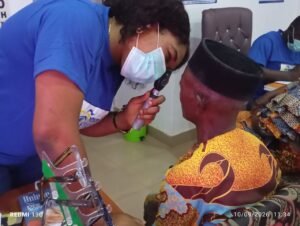
The Nigerian Optometric Association (NOA), Anambra State Chapter has offered free eye screening, treatment, medication and spectacles to over 500 residents to Achina community in Aguata Local government area of the state.
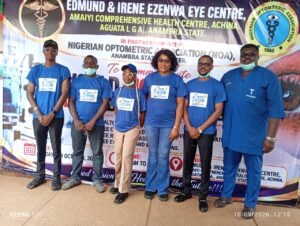
The outreach which is part of activities marking 2026 World Sight Day 2026, under the global theme, “Love Your Eyes. Every Story Counts,” was led by State Chapter Chairman, Dr. Chiamaka Mba.
Mba said the outreach, under a renewed drive to prevent avoidable blindness was deliberately taken to the hinterland to reach underserved populations who have limited access to professional eye care.
“We came all the way to Achina because we want to reach the interior villages. Most people in urban areas have access, but those in the interior face restrictions,” she said.
According to Mba, activities for the celebration started earlier in the week with radio and television sensitization, where members educated the public on healthy eye habits and dangers of harmful practices.
She said, “The Chapter also staged a Walk for Sight on Thursday, before moving its full clinical team to Achina for the grand finale of free services.
“At the venue, residents received comprehensive checks including blood pressure, intraocular pressure and visual acuity tests.
“With a team of eight optometrists on ground, the Association set a target of attending to about 500 beneficiaries.
“Adult beneficiaries who need near vision support were given reading glasses, while children were assessed for special provision and referral.
“The Association is also providing a full referral and follow-up pathway for cases beyond the outreach.
“Patients who require further investigation and specialized care are being referred to designated eye centres for continued management.
“Those diagnosed with cataract and other surgical conditions are being registered and booked for surgery on designated surgical days, as cataract operations are not performed during field outreaches.”
Mba warned against dangerous traditional practices, including instilling urine, breast milk and fermented cassava water into the eyes.
According to her, the eye has a normal flora that protects it, and introducing such substances disrupts that defence and can cause combined viral, fungal and bacterial infections that may lead to permanent blindness.
She stressed that the first point of call for any eye problem should be a registered eye clinic and not chemists or quacks, noting that optometrists undergo up to eight years of training to qualify.
The chairman urged patients to strictly adhere to prescribed drugs and never stop medication midway without doctor’s advice, as incomplete treatment worsens eye conditions.
While advising on preventive care and regular examination, Mba said children should have eye checks before they start school, teenagers and young adults up to 27 years should check every two years, while adults from 30 to 50 years should check once yearly.
“Those within 50 years and above should check twice yearly because of higher risk from hypertension, diabetes and age-related diseases. Those with family history of glaucoma should check even more frequently as advised by their doctor,” she said.
Addressing cost concerns, Mba said that eye care is not expensive compared to the cost of blindness, and urged Ndi Anambra to use general hospitals where optometrists are now posted across the state.
She added that with phones, laptops and prolonged sunlight exposure, residents should seek professional advice on protective spectacles, know their family medical history, and embrace the campaign message to love their eyes by protecting and regularly examining them.
About Author