
Chinedum Treasure
Anambra State government on Wednesday called for direct access to its vast gas reserves to drive industrialisation and power generation.
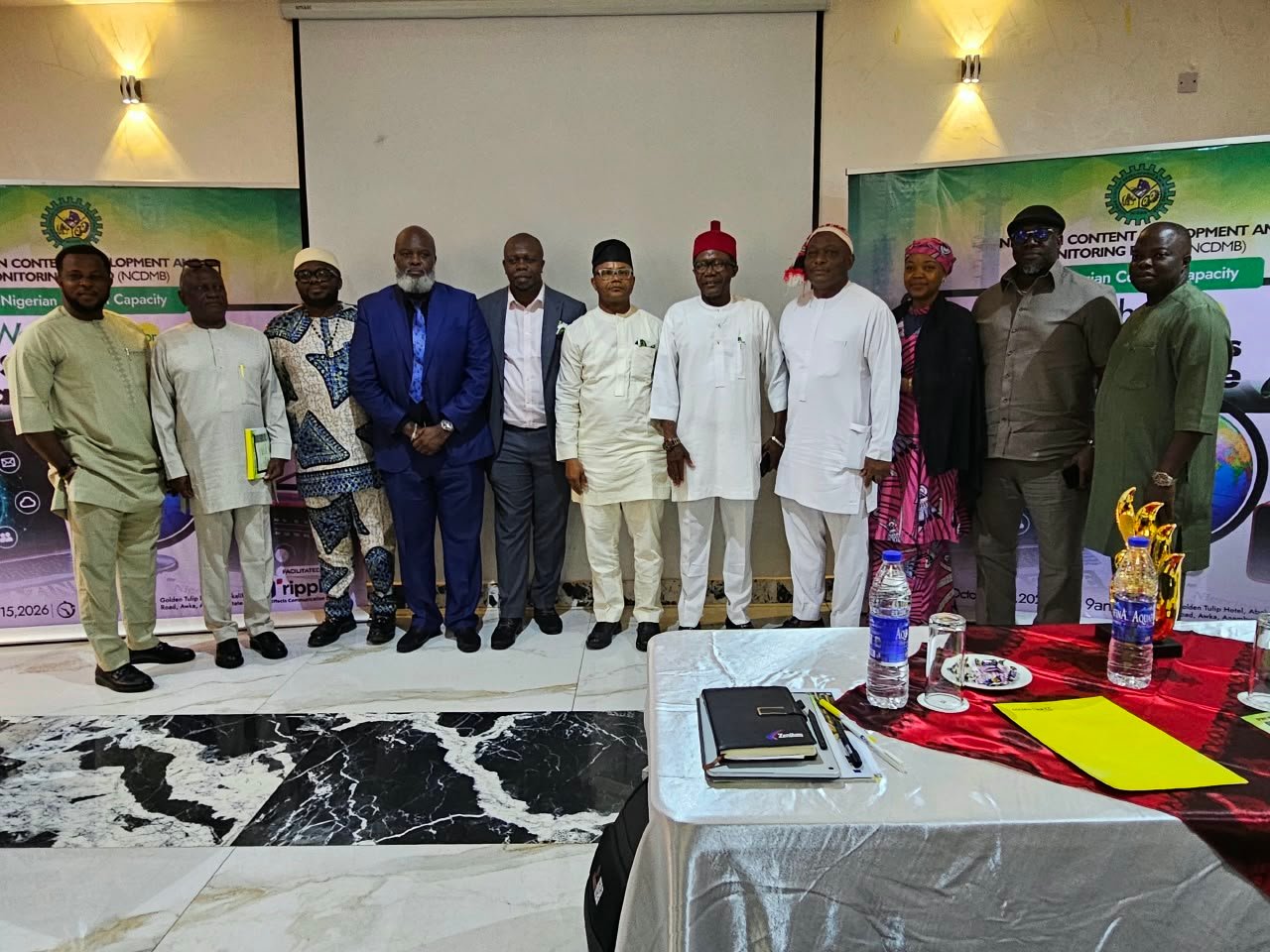
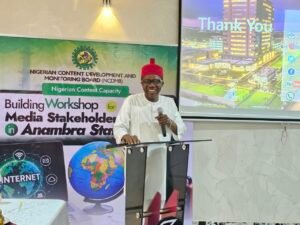
Commissioner for Information and Value Reformation, Dr. Law Mefor stated this in Awka while speaking at the Nigerian Content Capacity Building Workshop for Media Stakeholders organised by the Nigerian Content Development and Monitoring Board (NCDMB) in Awka.
He lamented that Anambra, which sits on one of the biggest gas reserves in Nigeria and Africa, has not benefited from its status as an oil-producing state and is yet to feel the impact of Nigeria’s Gas Master Plan.
According to him, a situation where the state expected to drive development cannot access its own gas is unacceptable
“With President Bola Tinubu’s signing of the law moving electricity generation, transmission and distribution from the exclusive to the concurrent legislative list, Anambra now has the legal and governance framework, including a constituted Electricity Board, to generate its own power.
“But needs gas as a critical enabler to light up the state, power its industries and sell excess to other states,” he noted.
Mefor called for a review of Nigeria’s educational system in line with the future of work, arguing that the country needs quality graduates who are creators and employers of labour, not just job seekers.
He also urged the NCDMB to ensure its training programmes produced manpower capable of feeding industry and support the shift from a consumption to a production economy.
Earlier, NCDMB General Manager, Corporate Communication, Dr Obinna Ezeobi said the workshop was part of the Board’s stakeholder engagement initiatives aimed at sensitising the public on its mandate, programmes and opportunities under the Nigerian Oil and Gas Industry Content Development Act.
He expressed the board’s desire to establish a stronger platform in the South East and collaborate beyond the workshop to improve the quality of media reportage on local content.
He further urged media stakeholders in the State to promote awareness of opportunities in Nigeria’s oil and gas industry and hold operators accountable for compliance with local content requirements.
Describing Anambra as an important location for the workshop, Ezeobi noted that the state was recognised as an oil-producing state and ranked as the second-highest oil producer in the South-East, with an estimated production capacity of about 3,000 barrels per day.
According to him, journalists need a better understanding of the local content law and the Board’s programmes to enable them to inform residents about opportunities available in the sector.
Ezeobi said the media had been a key partner in advancing Nigeria’s local content policy since the establishment of the NCDMB in 2010, adding that effective communication was essential to the successful implementation of government policies.
“Nigerian content was designed to build local human and material capacities, strengthen indigenous businesses, develop the technical skills of Nigerian professionals and retain greater economic value within the country.
“Journalists need to improve their coverage of the oil and gas industry, report issues requiring government intervention and highlight opportunities that could enable more Nigerians to participate in the sector,” he said.
In a presentation on the Board’s mandate and achievements, Director of Planning, Research and Statistics, PRS, of the NCDMB, Mr Silas Omomehin Ajimijaye, said the Board was established to develop local capacities without compromising standards and to monitor compliance with the Nigerian Oil and Gas Industry Content Development Act.
He dismissed the misconception that local content was exclusively for the Niger Delta or oil producing states, stressing that its benefits were intended for Nigerians across the country.
He said every oil and gas project had a Nigerian content plan and commitment, which the Board was responsible for monitoring and enforcing.
Ajimijaye urged journalists to report observed violations to enable the Board to investigate and take appropriate action.
He also disclosed that the agency had partnered with researchers to develop locally produced solutions and was undertaking large-scale training to equip Nigerians with the skills to deploy them.
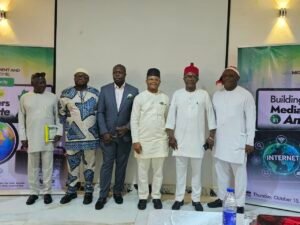
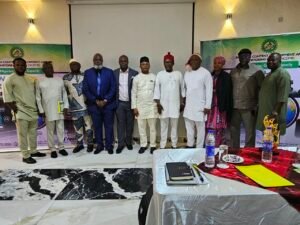
The event attracted editors and journalists from various media organisations in the State.
About Author