
Chinedum Treasure
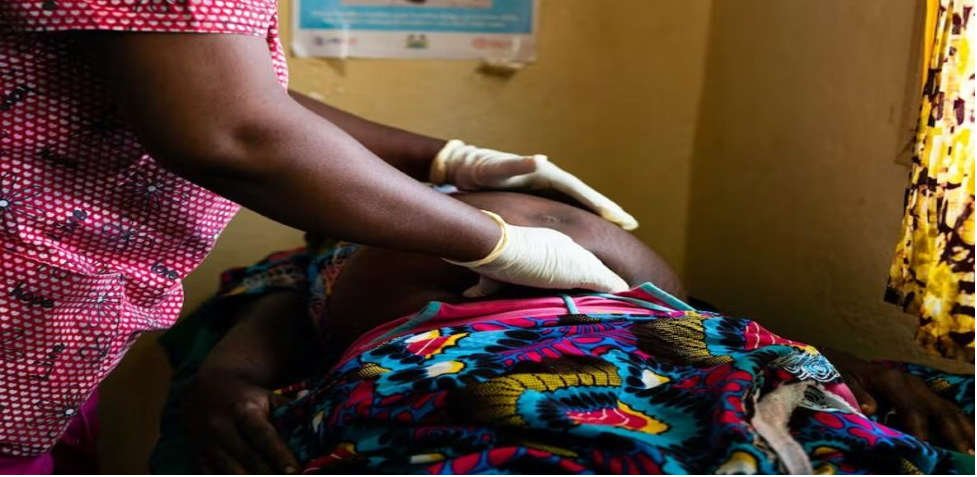
Anambra State Ministry of Health has warned pregnant women against ignoring bleeding during pregnancy, stressing that the condition could be a sign of a serious medical emergency requiring immediate medical attention.
The warning was given during the ministry’s monthly webinar held on Monday, titled “Bleeding in Pregnancy: A Warning Sign That Should Never Be Ignored.”
The session, facilitated by Dr. Tonia Mbagwu, featured a presentation by a Consultant Obstetrician and Gynaecologist, Dr. Princeton Okam.
Globally, bleeding accounts for about 27 per cent of maternal deaths, while it remains one of the major causes of maternal mortality in Nigeria.
According to Dr. Okam, bleeding could occur at different stages of pregnancy and range from mild spotting to severe haemorrhage.
He said bleeding in early pregnancy could be associated with miscarriage or ectopic pregnancy, which could become life-threatening when the pregnancy ruptures and causes internal bleeding.
He further identified placenta praevia, placental abruptio and vasa praevia among the important causes of bleeding in the second and third trimesters, noting that some of the conditions could develop suddenly and require urgent intervention.
“The quantity of blood seen externally does not always indicate the severity of the condition. Pregnant women and their families must take every episode of bleeding seriously.
“However, heavy or rapidly increasing bleeding, severe abdominal pain, shoulder-tip pain, dizziness, weakness, confusion, paleness and changes in vital signs are among warning signs requiring urgent medical attention,” he said.
The webinar emphasized that pregnant women should not remain at home waiting for bleeding to stop or resort to self-medication, but should proceed immediately to the nearest health facility.
Healthcare workers were also reminded that when a pregnant woman presents with significant bleeding, the priority should be to assess and stabilize the mother, identify signs of shock, call for help early and commence appropriate emergency management without unnecessary delay.
The webinar further stressed the importance of regular antenatal care, early assessment, appropriate investigations and effective communication with pregnant women and their families.
In her concluding remarks, the Webinar’s facilitator, Dr. Mbagwu said bleeding during pregnancy was a symptom and not a diagnosis, adding that every episode required proper medical assessment because early recognition and timely treatment could save the lives of both mother and baby.
She explained that the webinar was an initiative of the Anambra State Commissioner for Health, Dr Afam Obidike, which holds on the first Monday of every month, as a means of raising public consciousness to topical health issues.
“The idea is to have a population that is conscious of their health and willing to take the right actions.
“We are also targeting the webinar as a way of improving the medical practice in the state, through expositions from experts in various medical fields. Experiences are shared and the overall health system in the state is ultimately improved,” Mbagwu noted.
The next edition is scheduled for November 2, 2026.
About Author